The 32nd annual Victoria Film Festival (VFF) is recognizing and bringing to light bold, creative films and storytelling. From February 6 to 15, the festival will run films from local, regional, and international creators. This year, the VFF will screen 91 feature films and 39 short films that will be shown in nine locations, as well as visual art installations, music performances, and special guest appearances at events.
This year’s films include two projects that offer looks into creativity and finding meaning through immersive storytelling, and they both have a local connection. Lucid, created by Victoria’s Deanna Milligan and Ramsey Fendall, follows the story of Mia, an art student in the ’90s who gets kicked out of school and is desperate to get back the life she once had. She uses a magical elixir that’s supposed to give her wishes back to her, but instead it takes her into a psychedelic, mystical, and mysterious journey that plays with what is real and what isn’t.
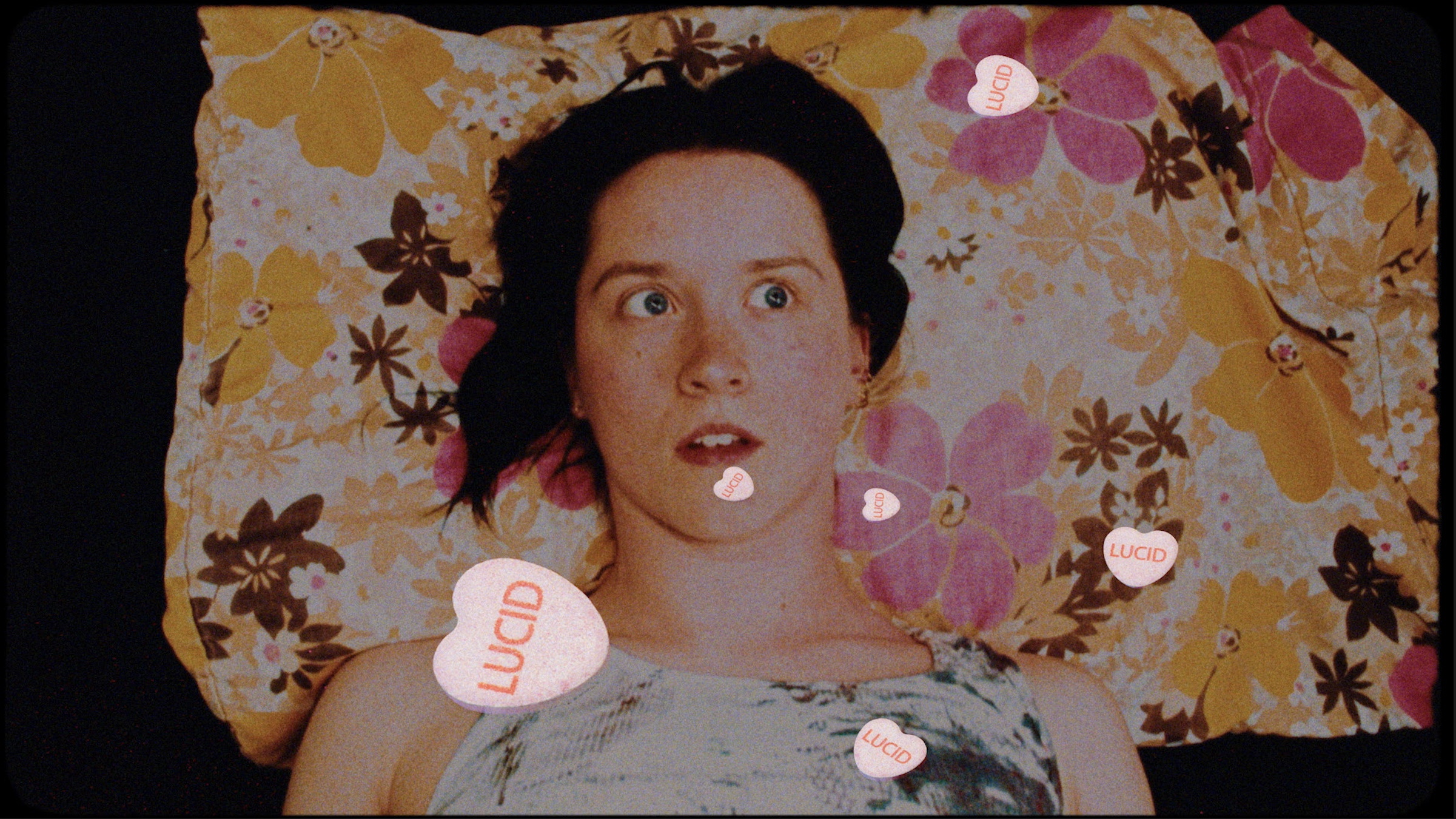
“We started thinking about how to destroy creative blocks,” says Milligan, “and that sparked a storyline where Mia takes a magical elixir to release inner demons into monsters she can fight and overcome.”
For Milligan and Fendall, Lucid, which was released last year, isn’t just another project they created—it’s a product of years of development and thought.
“It’s been the same world that we’ve been spending time in… the sort of ’90s, punk, phantasmagorical world,” says Fendall. “It’s been a really fun place to spend time in for seven years now.”
Lucid is a whole realm in itself. Fendall describes it as “raw, handmade, and kind of in its own world”; Milligan says that it’s “a dream-like, almost hallucinatory experience, but rooted in Mia’s unconscious mind” and adds that “people have called it ‘batshit crazy’—which we kind of love.”
The film has travelled the world, being played in various countries, and now, Milligan and Fendall want to give homage to their hometown and share Lucid with the contributors and viewers.
“It’s our BC premiere, and most of the performers and crew haven’t seen the film yet. Showing it in our hometown is a full-circle moment,” says Milligan.
“The movie could only have been made here,” adds Fendall. “Victoria is in its DNA, from the streets to the punk rock scene that’s existed for decades.”
“We’re showing what people can do when they come together, even without a Hollywood budget,” says Milligan.
The film doesn’t just lean toward the indie, experimental side of filmmaking and art creation—it fully embraces it. The creators want viewers to connect to the project just like they did in production, where the crew’s energy and performance came alive.
“We want them to feel their way through it,” says Milligan. “Not necessarily intellectually unpack it, but exist on a feeling level.”
“If you don’t personally connect, there’s still an opportunity to discover something in the sound design, costumes, and visuals—it’s a world to inhabit,” says Fendall.
Another local filmmaker is screening their documentary at the VFF this year. Leaving Beringia, a 2025 film by Barbara Todd Hager, explores the roots of Indigenous peoples in the Americas.
“I wanted to spend more time on the origins of my ancestors and all Indigenous people in North and South America,” says Hager, who is from Edmonton but now lives in Victoria and Vancouver. “The story deserved more than just 10 minutes.”
In the film, Hager travels to eight archeological sites, finding meanings through the land and the oral tradition that is carried from generation to generation.
“Beringia was this land mass between Siberia and Alaska during the ice age,” says Hager. “It’s where people crossed long before the ice melted. People weren’t just staying in one place—they moved to find better food, shelter, and safer places. That’s how communities survived and thrived. Along the west coast, from Alaska down to Chile, there are more languages than anywhere else in the Americas because people have been there the longest.”
The documentary serves as a complete and structured informational piece, featuring interviews with experts and having Hager as protagonist.
“It felt spiritual,” says Hager. “Standing where people lived, hunted, laughed, and loved thousands of years ago gives a profound sense of connection to history.”
Hager’s background is in journalism and archeology, which ties in with her experience working with museums. An inquiry she always kept in her mind was why certain narratives were seen as lesser than or simply omitted in history.
“There’s no ‘12,000-year gap’—that’s life, culture, history, and achievements,” says Hager. “Indigenous peoples have been recording history in our own ways for millennia.”
The film is very significant to Hager as she feels exploring her heritage through travelling the lands her ancestors once set foot in enlightens her soul and gives her reasons as to why sharing this journey is important.
“The documentary invites viewers to look beyond scientific tools and measurements and listen to Indigenous people,” says Hager. “They have something to say about their history that hasn’t been heard by the wider world.”
Hager says it’s special for her to get to show Leaving Beringia at the VFF.
“Many people who worked on it live here,” she says, “and it’s a way to honour the land and community that’s shaped me.”
Victoria Film Festival
Various times,
Friday, February 6
to Sunday, February 15
Various prices and venues
victoriafilmfestival.com