
Politics—you’re probably already familiar with the term, or you at least hold a notion of what the concept means. A simple way to think about politics is to think of them as the complicated web of relationships that humans hold between each other and their environment(s).
To best introduce municipalities, it’s first crucial to understand what politics are and how they affect you and those around you.
For example, imagine you’re pitching a promotion to a new boss. You’re confident that you have all the necessary skills and qualifications needed to take on a new role, but your current boss has no previous history with your performance. Through reputable references and a carefully crafted narrative, you must construct a professional and approachable persona that persuades your boss that you’re the most qualified applicant for the position. To reach this goal, you’re being asked to leverage evidence and lobby your issue with a person of authority.
Even a scenario as common as this counts as political discourse—or, in short form, politics. The next jump in understanding comes with recognizing the role of different levels of government—more specifically, where their responsibilities lie.
Say you’re walking down the street in Saanich, and you stop to drop a food wrapper in a nearby garbage can. Have you ever thought about how the garbage is collected? How about when you’re biking through downtown Victoria, and you stop at a traffic light designed specifically for bicycles? Have you ever considered the people who implement these tiny details into our lives? The answer is the same for both—the overarching decision-makers behind these social amenities are municipalities.
Municipalities—short for “municipal corporations”—are the established governing bodies that deal with the physical and social infrastructure people encounter on a daily basis. This covers issues as small as sidewalks and parking spots, and as wide as approving major construction projects, protecting and maintaining parks, and ensuring communities have access to adequate emergency services.
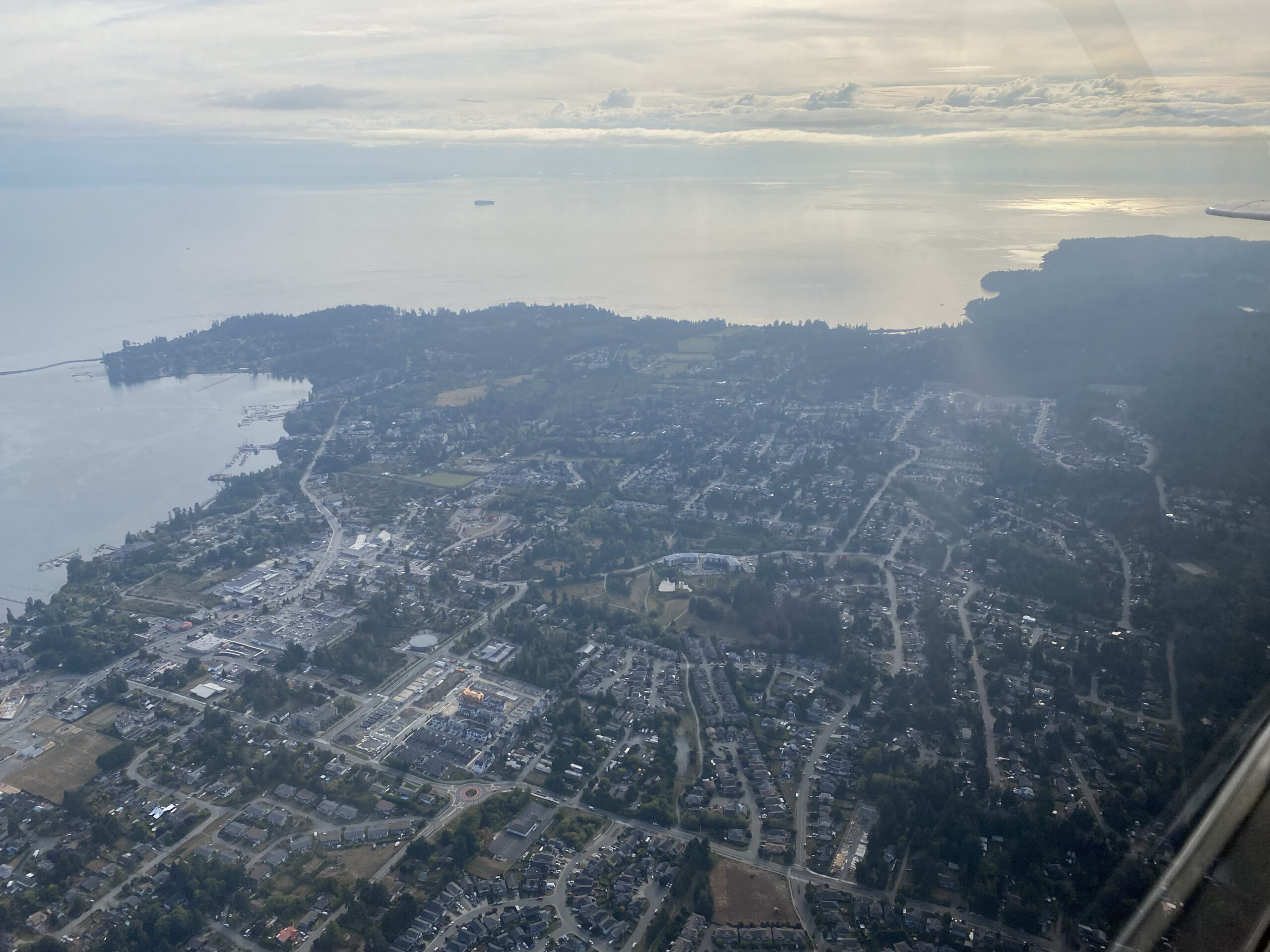
The number of projects a municipality oversees often depends on the size of a population and capacity of the wider community. Take, for example, the City of Toronto versus the District of Sooke. With an additional population of a few million, the City of Toronto is forced to act on broader societal issues, including international relations, provincial safety concerns, and even upholding the imagined “image” of Canada. With the District of Sooke, 15,000 people would never put this same pressure on the town council, but that also translates to their economic resources being slimmer. Thus, we are introduced to the municipalities’ general role in governance.
The main purpose of this column is to give you as a reader the tools you need to better understand how politics are affecting you and perhaps give insight into places where your voice can be heard. Whether this means better understanding the role of public-service workers or simply an understanding of what in the world “zoning” means, I hope this column can help unravel the complicated network of local politics and how they affect you.
Welcome to the wonderful world of municipal politics.