Let’s be honest: taxation doesn’t seem like the most exciting topic off the jump. I mean, who’s jumping for joy at the thought of spending an extra dollar every time you order a coffee? The truth is that taxation is an unfortunate byproduct of the world that’s been laid out before us, but that doesn’t mean it’s not important to think about where your missing dollars are going every time you tap your card.
Due to the sheer breadth of this topic, I’ve decided to narrow it down to a single level: what taxes do our local governments—cities, districts, or towns—obtain from you as a citizen, and where the heck does all that money go? The truth is that municipalities don’t typically receive the same level of funding a provincial or federal government might have access to (we’re talking billions of dollars there), which means they must be way more strategic about their spending habits.
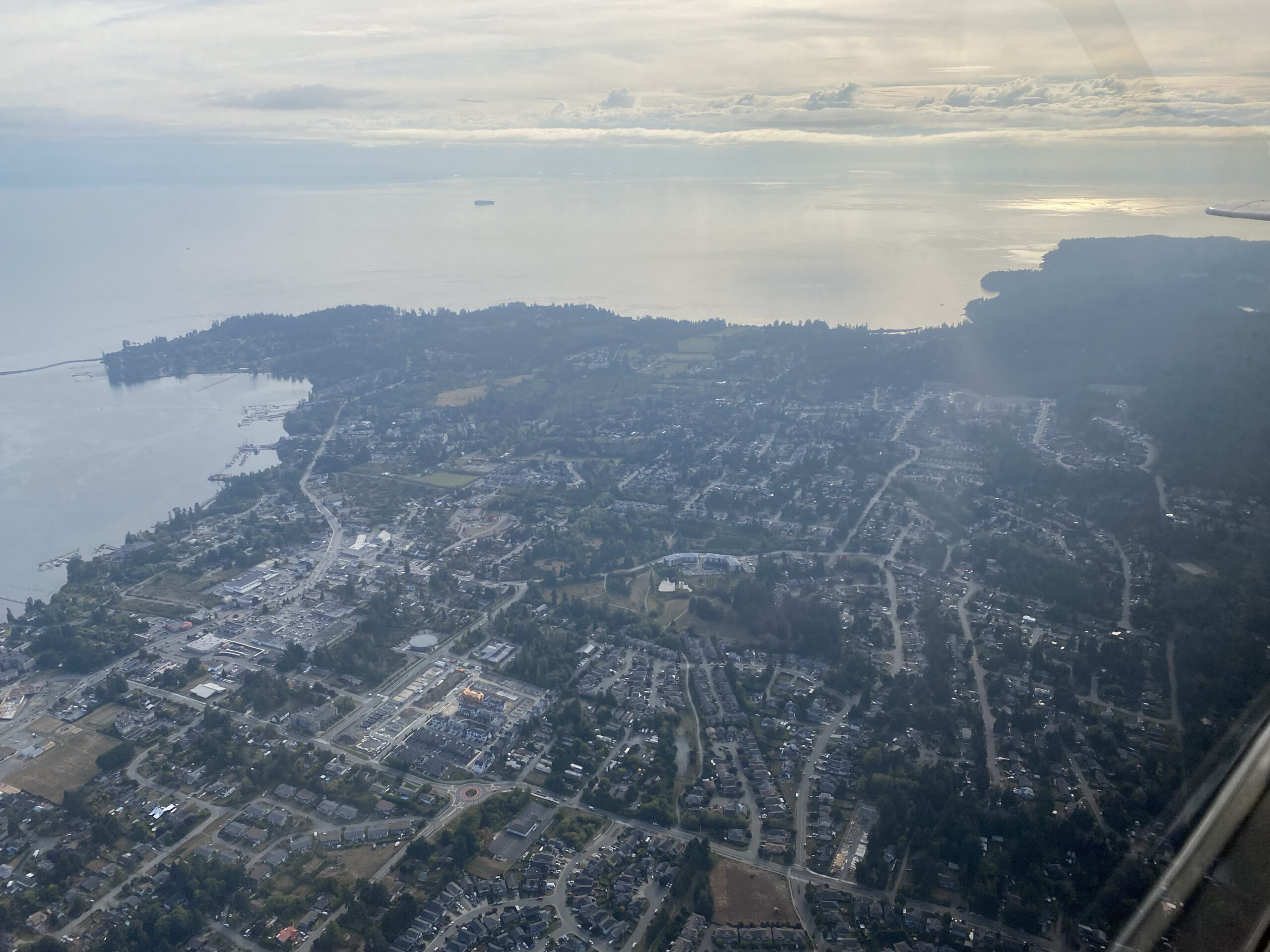
Municipalities generate most of their revenue through property taxes. I know what you’re thinking: “I could never afford a house in this economy.” But maybe someone you know has been ranting about Langford’s 57-percent property-tax increase over the past four years (yes, that did happen) and you have no clue why a local government would ever need that much money. So let’s dig in a bit and find out where this money is really going.
In early 2026, Langford council announced they would be increasing property taxes during their new five-year financial plan, the final increase that led to the 57-percent total. In addition to these property taxes, local governments can also generate revenue via business licences, grants, or parking tickets. This may make it seem like local governments would have plenty of money to spare, but once you total up the long list of responsibilities a municipality must handle, the bigger picture becomes quite daunting, to say the least. In the case of Langford, growth of the community happened in such a shockingly short window of time that all the infrastructure ended up needing maintenance at the same time many years later. This included road upkeep, facility maintenance, building inspections, transit-system updates, hydro and sewage installation, staffing emergency service buildings, and endless other menial tasks that we often take for granted.
These problems arose from a lack of steady increases to taxes over time, meaning resources were not put aside when the time came to maintain these issues as they came up. After the new council was forced to take drastic measures to maintain a healthy equilibrium, many community members were rightfully outraged at the stark change in taxation from the previous government, yet the community’s overarching end goal probably looks the same as what the new council hoped for—clean, functional, well-thought-out infrastructure that keeps our neighbourhoods healthy, happy, and safe for years to come.
As this next election cycle approaches, I encourage you to keep an open mind about what sort of community you hope to live in, and try to notice the small details that make everyday experiences in your neighbourhood that much more vibrant, for everybody around.