
As new local governments are sworn in over the next few weeks, and with a provincial super-majority just around the corner, I’ve been contemplating the topic of population growth and densification in the Greater Victoria area.
Sure, housing is generally chalked up to being one of the provincial government’s responsibilities, but when it comes to the nitty-gritty planning, local governments are typically the ones actually implementing and coordinating individual housing projects. So, what makes it so difficult for the provincial government to cooperate and build more housing?
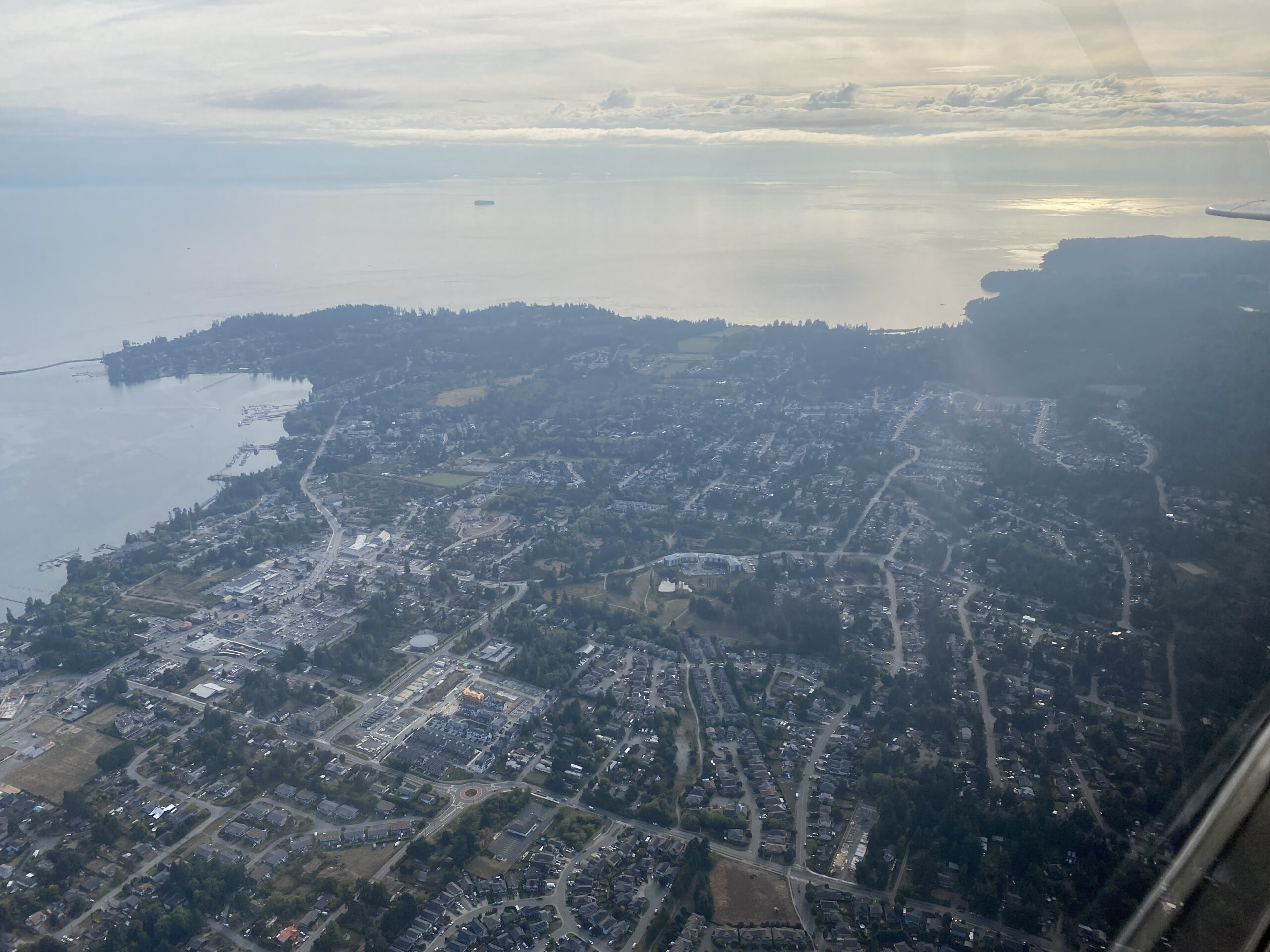
Bill 44 was announced in 2023; it was regarded as the province’s way of speeding up housing availability throughout municipalities. This was done by streamlining the development of new housing projects, encouraging target municipalities to densify, and outlawing public hearings for developments that were pre-approved by official community plans.
While this worked out considerably well for certain municipalities (for example, the City of Victoria well exceeded what the province was asking them to build), others were left feeling overwhelmed by the thought of densifying in neighbourhoods that were primarily single-family dwellings.
This bill also came under fire by active community members, who felt that streamlining the process and outlawing certain public hearings would silence their concerns around overdevelopment of the land around them.
This is where we get into NIMBY (“not in my backyard”) territory, which generally centres itself around standing up to local infrastructure development, and is typically sparked by a citizen’s proximity to such a development.
While NIMBYs often receive the short end of the stick (I mean, who enjoys being called a condescending acronym?), I’d like to narrow in on a topic that often gets thrown around in our community circles: what does density look like and how should we properly implement it?
The reality is that with an influx of opportunity and economic value, more people will gravitate toward this growth, meaning city planning becomes a crucial consideration in urban city centres. While we tend to romanticize the idea of the “white picket fence,” with a vibrant lawn and a private house you can call your own, the truth is that this reality often clashes with the lifestyle needed to maintain such a living situation.
Since the cost of living seems to be a never-ending battle, many people are pressured to work in larger city centres—such as Victoria or Vancouver—just so that they can afford their monthly grocery bill. This causes an increased need for housing opportunities in downtown cores, but what happens when the downtown core had already been developed many decades ago? This is the crux of re-zoning and development in suburban and urban neighbourhoods, especially in a place like Victoria, where many buildings carry heritage status and cannot be demolished.
I’d like to leave you with a quote from urban theorist and journalist Jane Jacobs: “designing a dream city is easy; rebuilding a living one takes imagination.”