
The Victoria music scene has produced some of Canada’s most lauded musicians, and within those ranks, Leeroy Stagger has made himself at home.
He once toured as an alt-rocker opening for Victoria’s own Hot Hot Heat, before switching up his style and donning the singer-songwriter cloak. In 2002 he dropped his first EP Six Tales of Danger; Now, just shy of a quarter century later, he brings us his 13th full-length, an album reminiscent in tone of the Scottish highlands, Pilgrimage.
The name is, in part, a nod to Stagger’s family history, as well as his return to Vancouver Island, and his hometown of Victoria. This is a place that seems to breed creativity, a phenomenon about which Stagger has a theory.
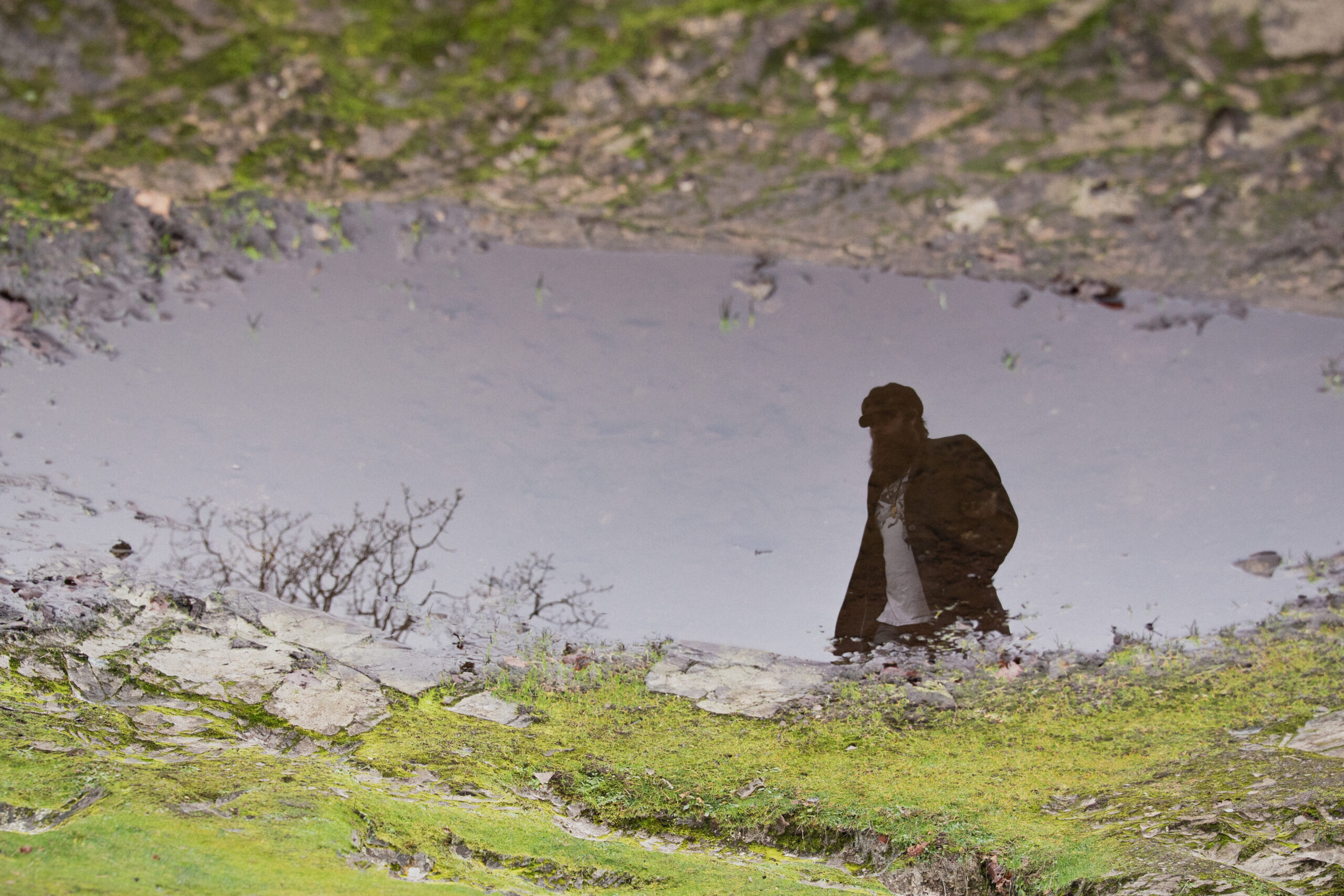
“When people came over in the 1700s and got here, the restless ones, the ones that couldn’t settle, that were never satisfied, kept moving west,” he says, “whereas the people that were happy-go-lucky, super satisfied, got off the boat in Nova Scotia and were like, this will do great.”
While this album doesn’t have much in the way of punk rock chaos, leaning more toward acoustic strains, the ethos of fighting back and remembering the struggles of where you come from stayed front and centre in Staggers’ mind while he wrote. A book by Scottish activist Alastair McIntosh called Soil and Soul: People versus Corporate Power sparked these ideas for Stagger, fanning the creative flames that led to Pilgrimage.
“The main thing that I took from that book was this idea of indigeneity, of finding out where you come from,” says Stagger. “I was starting to feel fairly culturally rudderless in this country as of late and looking around at all these beautiful cultures that I see from Indigenous people here and immigrant communities here and saw how beautiful the communities were.”
This sparked questions for Stagger about his own heritage, of which he knew little aside from that his family was Scottish and had been pushed out of their land many moons ago, leading them to emigrate to Canada.
“I didn’t know about my culture, I didn’t know about the customs that that my people had back then, and when I started to look into it, it made a lot of sense to me, storytelling, music gatherings, sweat lodges, totems, all these things that I’ve always kind of felt. To discover this, to me, it was a spiritual pilgrimage of my own,” he says. “The second book that I read of Alastair’s was called Poacher’s Pilgrimage, which was I guess a bit of a pilgrimage of his to define where he came from.”
With the help of fellow musician Joel Plaskett acting as producer, as well as myriad other musician friends appearing throughout the record, Pilgrimage began to take shape.
“There’s definitely an intimacy to this record that that I’ve never done before… I mean, I set out to make a folk record, like, truth be told I didn’t know that I wanted drums or electric guitars on it, but as we started the process, you know, Joel said, well, let me throw some drums on here and I was like, ‘Oh, this is good!’”
All of this culminated in Stagger hoping to create an album that felt like a gathering of friends, and facilitated human connection.
“This is probably my calling, whether it’s the music part or the connection part and connecting people with themselves in their own… I don’t want to say ‘spirit’ but finding different ways of seeing the world through music. I think it’s really important and I guess that’s kind of my calling.”
Leeroy Stagger
7 pm Thursday, September 24
$33, Capital Ballroom
thecapitalballroom.com