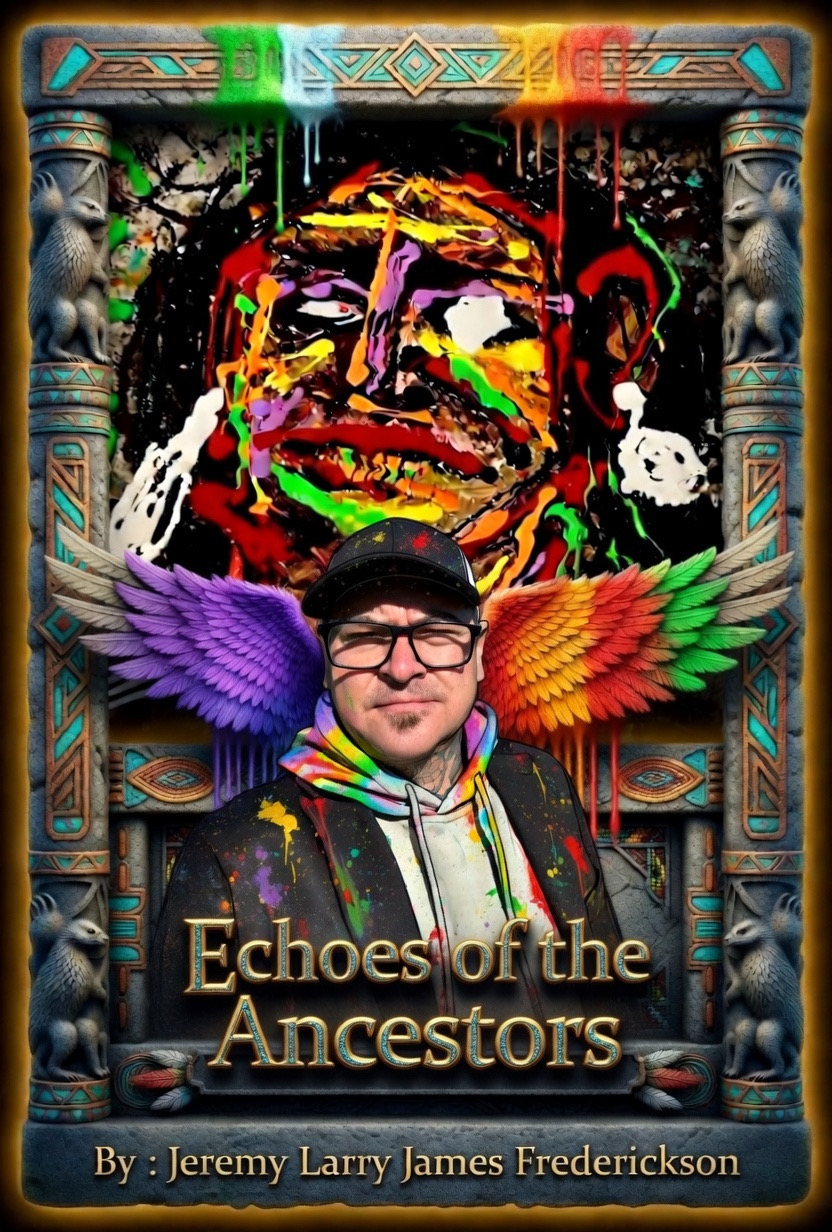
When I stepped into the role of Indigenous director at the Camosun College Student Society, I carried with me not only my own story, but the voices of my ancestors, my children, every Indigenous student who has ever walked onto this campus wondering if they truly belonged. This work is deeply personal, deeply relational, grounded in the teachings I carry from my community and the Elders who have guided me.
One of those Elders is Wilfred Buck, a Cree star knowledge keeper I’ve had the honor of meeting, learning from, and bringing to Camosun. His teachings stay with me, especially his reminder that “We are star people. We come from the stars, and one day we will return to them.” That teaching is about identity, but it is also about responsibility, about remembering who we are and why we walk the paths we do. It guides me every day in this role.
This fall, I’ve been working in Nova Scotia with the National Indigenous Advocacy Committee (NIAC), representing Camosun at the national level through the Canadian Alliance of Student Associations (CASA). For many students, CASA is just another acronym in student politics. But for Indigenous students, CASA is a doorway… a place where our stories, our barriers, our hopes can reach federal decision-makers. Through NIAC, that doorway becomes Indigenous-led, Indigenous-informed, as well accountable to our communities.
Across the country, Indigenous students are leaving post-secondary education or not attending at all because the system was never built with us in mind. The barriers are heavy: chronic underfunding, food insecurity, lack of cultural supports, intergenerational trauma, and the ongoing impacts of residential school denialism. Many students do not have access to band funding. Many are first-generation learners navigating complex forms alone. Many are carrying responsibilities to their families and communities that institutions do not understand.
In Nova Scotia, I met students who told me they almost didn’t apply to school because the financial forms were overwhelming. At Camosun, I’ve sat with students who skipped meals to afford textbooks. I’ve listened to students who felt unsafe in classrooms where their histories were debated instead of respected. These stories are systemic.
My role, both at Camosun and nationally, is to make sure these realities are not ignored. Through NIAC, we are pushing for increased federal funding for Indigenous learners, adjustments to out-dated scholarship programs, and stronger supports for work-integrated learning so students don’t have to leave their communities to survive. Through CASA, Camosun students gain a national voice, one that can influence policy, funding, and the future of post-secondary education in Canada.
This column is about legacy. About change and a good path forward…
I am building systems, relationships, cultural foundations so that when the next Indigenous director steps into this role, they inherit something stronger than what I received. They will have Elders connected to the college. They will have clearer pathways to support. They will have national relationships already in place. They will have a fire that is already burning.
My hope is simple: that every Indigenous student at Camosun feels seen, supported, and grounded. That they know they belong here. And that the echoes of our ancestors guide us forward, together.